Why Prescription Discount Cards Can Cost Less Than Insurance (2026 Guide)
Many people assume that using their health insurance is always the least expensive way to pay for prescription medications.
The reality is that it depends.
For many prescriptions, especially generic medications, the price offered through a prescription discount program may be lower than your insurance copay. Prices can vary significantly between pharmacies, insurance plans, and medications, so comparing your options before filling a prescription can help you save money.
At Island Insurance Group, we believe making smart healthcare decisions includes finding ways to reduce everyday medical expenses. Whether you’re insured, self-employed, retired, or shopping for health coverage, understanding how prescription discount programs work can help you keep more money in your pocket.
Quick Answer
Yes—prescription discount cards can sometimes cost less than your insurance.
This is most common when:
- Your insurance copay is higher than the negotiated discount price.
- You have a high-deductible health plan and haven’t met your deductible.
- Your medication isn’t covered by your insurance.
- You’re purchasing a generic medication.
- You’re paying cash because you don’t currently have prescription coverage.
The easiest way to know which option saves more is to compare both prices before purchasing your medication.
Prescription Discount Cards vs. Health Insurance
| Feature | Health Insurance | Prescription Discount Card |
|---|---|---|
| Monthly Premium | Usually Required | No |
| Annual Deductible | Often Applies | None |
| Copays | Usually | No Copay |
| Can Be Used Without Insurance | No | Yes |
| Free to Use | No | Often Yes |
| Compare Pharmacy Prices | Limited | Yes |
| Helps Lower Prescription Costs | Depends on Plan | Depends on Pharmacy & Medication |
Remember that prescription discount cards are not health insurance. They simply provide access to negotiated pricing at participating pharmacies.
How Prescription Discount Cards Work
Prescription discount programs negotiate discounted prices with thousands of pharmacies across the country.
Instead of billing an insurance company, participating pharmacies can offer eligible medications at negotiated rates. When you present the discount card, the pharmacy compares the available price, and you can decide whether to use your insurance or the discount price, depending on which is lower for that purchase.
Many programs are:
- Free to join
- Easy to use online
- Accepted nationwide
- Available whether or not you have health insurance
When a Prescription Discount Card May Save You More
Although every medication is priced differently, these are some of the most common situations where people see savings.
1. High Insurance Copays
Many employer-sponsored health plans require fixed copays for medications. Sometimes the negotiated discount price is lower than that copay.
2. High-Deductible Health Plans
If you have a high-deductible health plan (HDHP), you may pay the full negotiated cost of prescriptions until your deductible is met.
A prescription discount program may reduce your immediate out-of-pocket cost for eligible medications.
3. Medications Not Covered by Insurance
Insurance plans use formularies that determine which medications are covered.
If your prescription isn’t included, you may pay the full retail price. A prescription discount program may offer a lower negotiated cash price.
4. Generic Medications
Generic medications often have competitive pricing through prescription savings programs, making them one of the best opportunities to compare costs.
5. Different Pharmacies Charge Different Prices
One of the biggest surprises for many consumers is that pharmacies don’t always charge the same price for the exact same medication.
Checking prices before filling your prescription can sometimes result in meaningful savings.
Who Benefits Most from Prescription Discount Cards?
Prescription discount programs can be especially valuable for:
- ✔ Self-employed professionals
- ✔ Freelancers
- ✔ Independent contractors
- ✔ Small business owners
- ✔ Families managing healthcare costs
- ✔ Individuals without prescription coverage
- ✔ People enrolled in high-deductible health plans
- ✔ Anyone looking to compare medication prices before purchasing
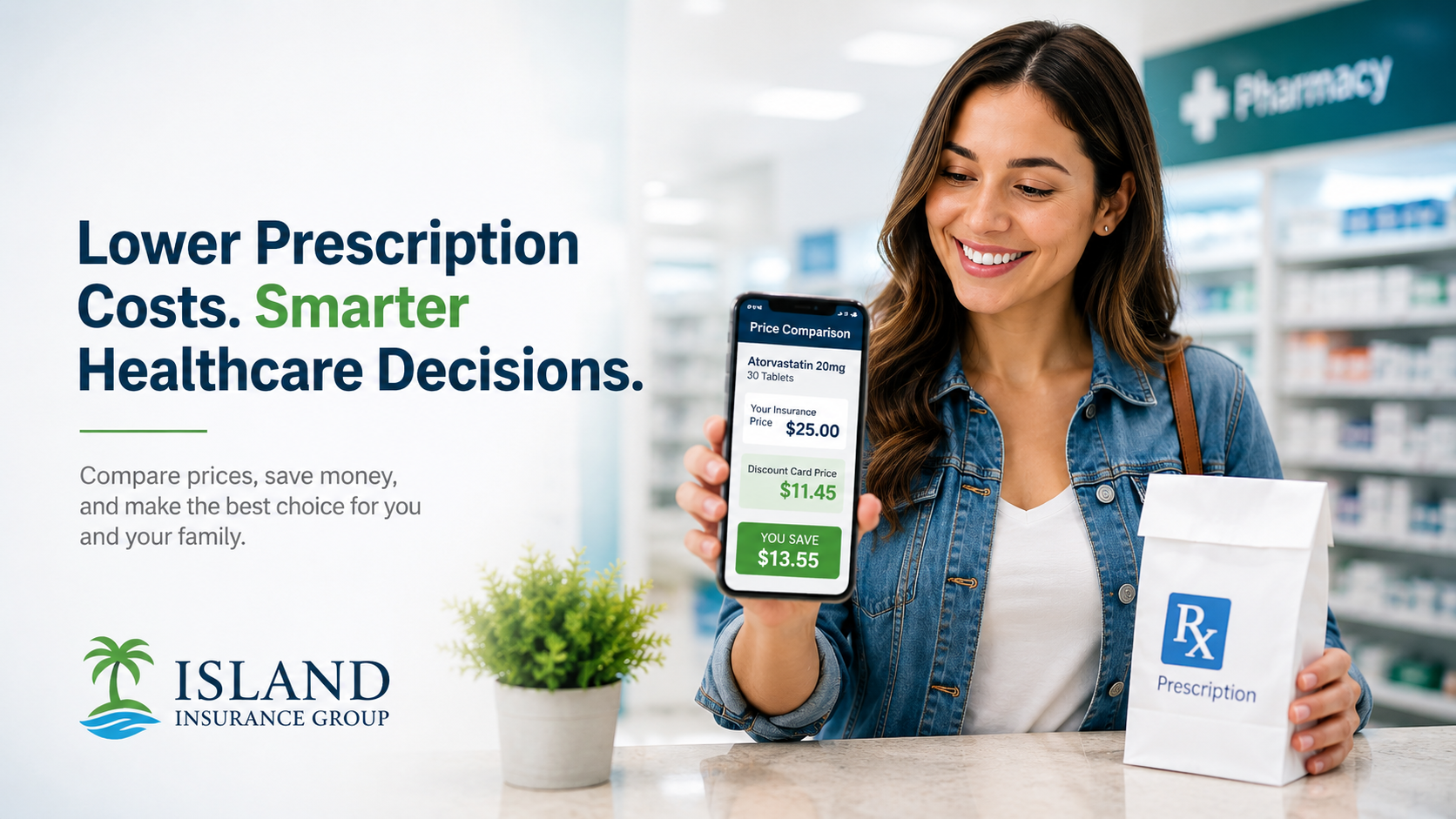
A Simple Example
Consider this hypothetical example.
Sarah owns a small graphic design business and purchases a generic prescription every month.
Insurance Copay: $25
Prescription Discount Price: $14
In this example, using the prescription discount program saves Sarah $11 for that fill. Actual prices vary depending on the medication, pharmacy, location, and insurance plan, but comparing both options can help identify the lower cost.
Accepted at Thousands of Pharmacies
Many prescription discount programs are accepted at major pharmacy chains, including participating locations of:
- CVS Pharmacy
- Walgreens
- Walmart Pharmacy
- Kroger Pharmacy
- Rite Aid
- Albertsons
- Safeway
- Many independent pharmacies
Participation and pricing vary by pharmacy and medication, so it’s a good idea to check prices before visiting.
Self-Employed? Every Dollar Matters
If you’re self-employed, you’re responsible for managing both your health insurance and your day-to-day healthcare expenses.
While health insurance helps protect against unexpected medical costs, prescription expenses can still affect your monthly budget.
A prescription discount program gives you another tool to compare prices and potentially lower your prescription costs—without paying additional membership fees.
Compare Before You Buy
Before filling your next prescription, ask your pharmacist to compare:
- Your insurance price
- Cash price
- Prescription discount price
Choosing the lowest available price could help reduce your out-of-pocket expenses.
Start Comparing Prescription Prices Today
One of the easiest ways to reduce prescription costs is simply to compare prices before visiting the pharmacy.
You can search medications, compare pharmacy pricing, and review available discounts in just a few minutes.
👉 Check Prescription Prices Here: https://www.rxgo.com/1334
Island Insurance Group Is Here to Help
Saving money on prescriptions is just one part of building a healthier financial future.
At Island Insurance Group, we help individuals, families, retirees, and business owners find insurance solutions that fit both their healthcare needs and their budgets.
Whether you’re looking for:
- Individual Health Insurance
- Family Health Coverage
- Medicare Plans
- Supplemental Insurance
- Life Insurance
- Small Business Health Insurance
our team is here to help you make informed decisions.
If you have questions about your health insurance options or want to review your current coverage, contact Island Insurance Group today.
Frequently Asked Questions
Are prescription discount cards free?
Many prescription discount programs are free to use and do not require a paid membership.
Can I use a prescription discount card if I already have insurance?
Yes. Many people compare the insurance price and the discount price, then choose whichever offers the lowest out-of-pocket cost for that purchase.
Can prescription discount cards replace health insurance?
No. Prescription discount cards are not health insurance. They only help reduce the price of eligible prescription medications.
Are prescription discount cards legitimate?
Yes. Many prescription discount programs partner with participating pharmacies to provide negotiated pricing on eligible medications.
Do prescription discount cards expire?
Some programs update pricing or card information over time. Always check the provider’s website for the most current details.
Can I use a prescription discount card at Walmart or CVS?
Many discount programs are accepted at participating Walmart, CVS, Walgreens, Kroger, Rite Aid, and other pharmacy locations. Acceptance and pricing vary by location.
Can Medicare beneficiaries use prescription discount cards?
In some situations, Medicare beneficiaries may compare available pricing. However, there are rules about when discount programs can be used instead of Medicare Part D benefits. Consult your pharmacist or plan administrator if you have questions.
Should I compare prices every time I fill a prescription?
Yes. Prescription prices can change, and different pharmacies may offer different prices for the same medication.
Related Articles
Continue learning with these helpful resources from Island Insurance Group:
- Health Insurance for the Self-Employed
- Understanding High-Deductible Health Plans
- Medicare Basics: What You Need to Know
- How to Choose the Right Health Insurance Plan
- Tips for Lowering Your Healthcare Costs Throughout the Year
Disclaimer: This article is for informational purposes only and should not be considered medical, insurance, or financial advice. Prescription prices, pharmacy participation, and savings vary based on the medication, pharmacy, location, and individual circumstances. Always compare available pricing and consult your pharmacist or insurance provider regarding your specific situation.