Ascension Ransomware Attack: What Healthcare Providers Can Learn About Cybersecurity, Patient Safety, and Medical Malpractice Insurance
Ascension Ransomware Attack Highlights the Growing Risks Facing Healthcare Providers
Cyberattacks have become one of the fastest-growing threats to the healthcare industry. While they often begin as technology incidents, their effects can quickly reach patient care, hospital operations, and financial stability.
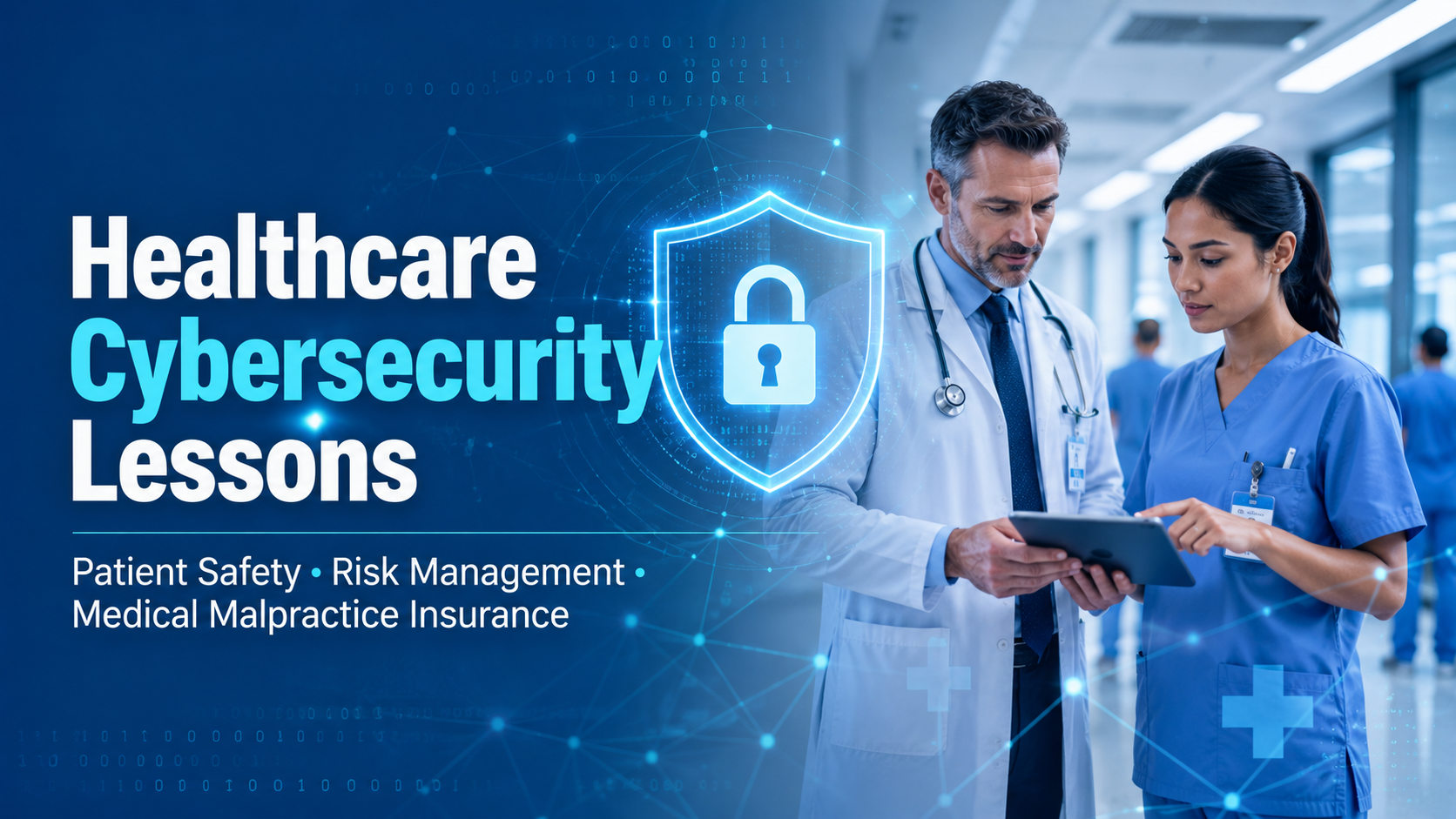
The Ascension ransomware attack serves as a reminder that cybersecurity is no longer just an IT responsibility. It is a critical part of healthcare risk management.
According to public reports, Ascension Health experienced a ransomware attack in May 2024 that disrupted operations across its healthcare network. By December 2024, the organization reported that approximately 5.6 million individuals were affected by the data breach, making it one of the largest healthcare cyber incidents of the year.
Although every cyber event is unique, healthcare providers can learn valuable lessons about protecting patients, strengthening operations, and managing professional risk.
What Happened During the Ascension Ransomware Attack?
Following the cyberattack, Ascension temporarily took critical systems offline while investigating and containing the incident.
Public reports indicate the disruption affected multiple aspects of hospital operations, including:
- Electronic health records (EHRs)
- Prescription processing
- Laboratory services
- Scheduling systems
- Patient portals
- Elective procedures
- Ambulance routing at some facilities
Healthcare teams relied on manual workflows while technology systems were restored. Recovery occurred in phases over several weeks.
Later updates confirmed that files containing protected health information (PHI) and personally identifiable information (PII) had been accessed from a limited number of servers. However, Ascension stated it found no evidence that electronic health records or other clinical systems were compromised.
Cybersecurity Is Now a Patient Safety Issue
Healthcare depends on technology.
When electronic systems become unavailable, clinicians may need to rely on paper documentation and manual communication processes.
Even experienced providers face additional challenges when they cannot immediately access:
- Patient histories
- Medication lists
- Laboratory results
- Diagnostic imaging
- Clinical documentation
- Scheduling systems
Operational disruptions can increase workloads and slow clinical decision-making. Organizations that regularly test emergency procedures are generally better prepared to maintain continuity of care during unexpected events.
The Financial Impact Extends Beyond the IT Department
Cyberattacks affect nearly every area of a healthcare organization.
According to public reporting, the Ascension incident contributed to:
- Revenue cycle disruptions
- Claims processing delays
- Increased recovery expenses
- Reduced patient volumes
- Operational losses during the recovery period
Healthcare organizations also invested significant resources into system restoration, forensic investigations, and patient notifications.
Risk Management Is More Important Than Ever
While no organization can eliminate every cyber threat, healthcare leaders can reduce risk through preparation.
Important risk management practices include:
1. Maintain Accurate Documentation
Complete documentation supports patient care and helps create a clear record of clinical decisions.
Providers should consistently document:
- Patient assessments
- Diagnostic findings
- Treatment plans
- Medication changes
- Patient communications
- Follow-up instructions
Accurate records remain valuable, even during system downtime.
2. Test Downtime Procedures
Every healthcare organization should routinely review its emergency response plans.
Preparation should include:
- Paper charting procedures
- Clinical communication protocols
- Disaster recovery planning
- Incident response exercises
- Business continuity planning
Practice helps teams respond more efficiently during unexpected disruptions.
3. Strengthen Cybersecurity Awareness
Many ransomware attacks begin with phishing emails or malicious downloads.
Organizations should provide regular training on:
- Email security
- Password management
- Multi-factor authentication
- Social engineering awareness
- Safe file handling
Employees remain one of the strongest defenses against cybercrime.
Medical Malpractice Insurance Remains an Essential Part of Risk Management
Technology failures can create complex situations that affect patient care and healthcare operations.
While cyber liability insurance helps address many technology-related risks, medical malpractice insurance remains essential for protecting healthcare professionals against covered claims arising from patient care.
Physicians, surgeons, dentists, nurse practitioners, CRNAs, physician assistants, and healthcare facilities should regularly review their professional liability coverage to ensure it reflects their current practice and evolving risks.
Learn more about available coverage by visiting:
👉 https://islandinsurancegroup.com/medical-malpractice/
Review Your Insurance Program Before an Incident Occurs
Healthcare organizations should evaluate their insurance portfolio on a regular basis.
Depending on your organization, coverage may include:
- Medical Malpractice Insurance
- Cyber Liability Insurance
- General Liability Insurance
- Commercial Property Insurance
- Directors & Officers Liability
- Employment Practices Liability Insurance
Reviewing your policies annually can help identify coverage gaps before an unexpected event occurs.
Partner with Island Insurance Group
Healthcare providers face an increasingly complex risk environment. From professional liability claims to cyber threats and operational disruptions, the right insurance strategy can help support your practice and your long-term success.
At Island Insurance Group, we work with physicians, surgeons, dentists, nurse practitioners, CRNAs, physician assistants, and healthcare organizations to help them find medical malpractice insurance solutions tailored to their unique needs.
Whether you’re opening a new practice, reviewing your current policy, or expanding your services, our experienced advisors are here to help you make informed coverage decisions.
Learn More
Medical Malpractice Insurance
https://www.islandinsurancegroup.com/medical-malpractice-insurance/
Contact Island Insurance Group
https://islandinsurancegroup.com/contact-island-insurance-group-get-in-touch/
Our team is ready to review your current coverage, answer your questions, and help you explore insurance solutions designed for today’s healthcare professionals.
Frequently Asked Questions
How many patients were affected by the Ascension ransomware attack?
Ascension reported in December 2024 that approximately 5.6 million individuals were affected by the breach.
Did the Ascension ransomware attack disrupt patient care?
Public reports indicate the cyberattack disrupted hospital operations, requiring manual workflows, delaying some services, and temporarily affecting access to electronic systems while recovery efforts were underway.
Why should healthcare providers review their malpractice insurance?
Healthcare risks continue to evolve. Reviewing your medical malpractice insurance regularly helps ensure your coverage aligns with your specialty, services, and practice needs.
Can cyberattacks increase professional liability risks?
Cyber incidents may disrupt healthcare operations and documentation processes, which can create additional operational challenges. Maintaining strong cybersecurity, effective risk management practices, and appropriate insurance coverage can help organizations prepare for these evolving risks.
Disclaimer: This article is for informational purposes only and should not be interpreted as legal, cybersecurity, or insurance advice. References to the Ascension ransomware attack are based on publicly available reports and are included solely to discuss general healthcare risk management and insurance considerations. Coverage is subject to the terms, conditions, and exclusions of the applicable insurance policy.