Your Contract May Renew Before You Realize You Had to Cancel It
Imagine opening your calendar and discovering you are committed to another year of a service you planned to cancel.
The agreement did not change.
You simply missed the notice window.
That is why the automatic renewal clause deserves far more attention than many people give it.
What Is an Automatic Renewal Clause?
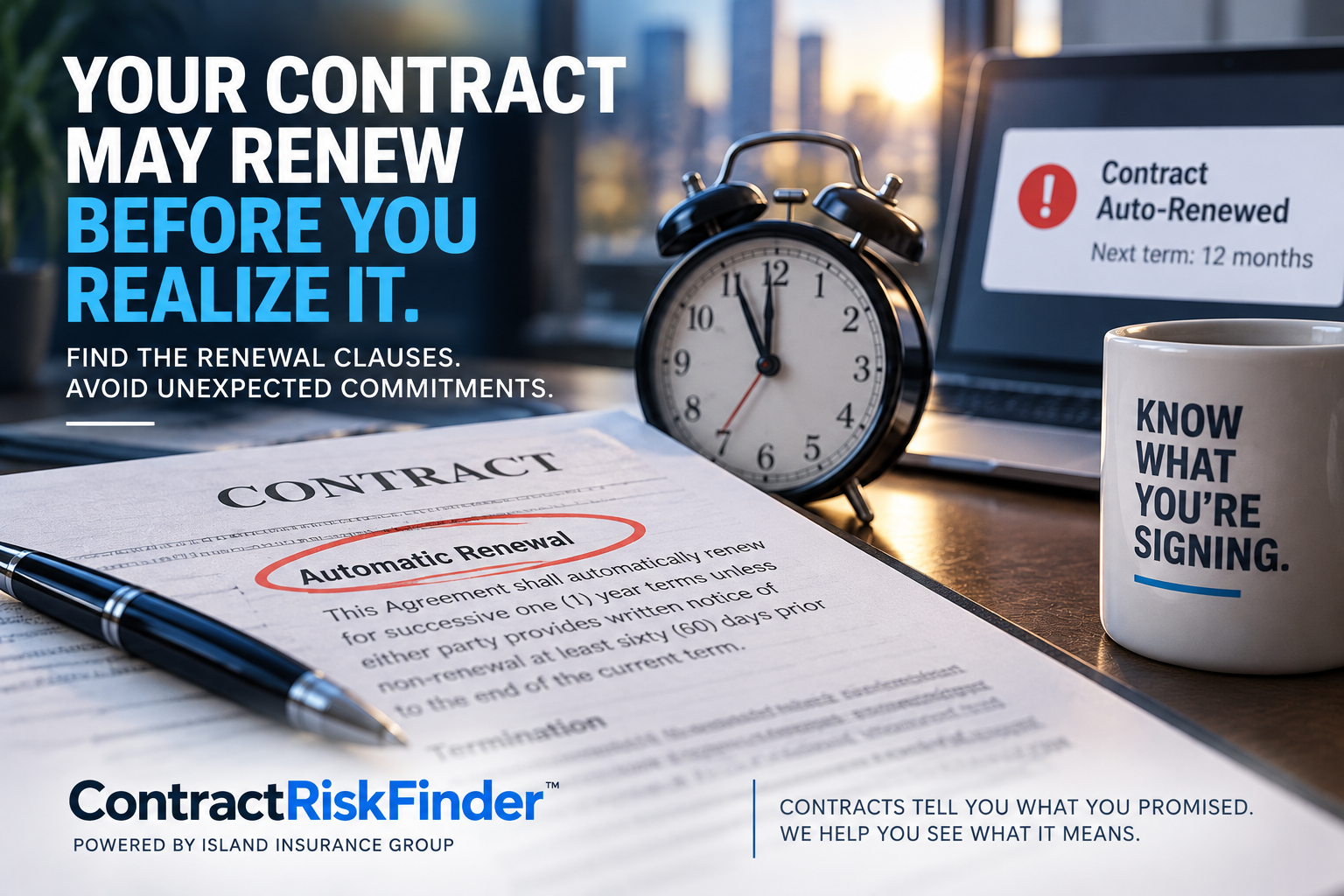
An automatic renewal provision can cause an agreement to renew for another term unless one of the parties takes the required action within the specified timeframe.
Sometimes these are called:
- Auto-renewal clauses
- Evergreen clauses
- Automatic extension provisions
- Renewal provisions
The exact operation depends on the contract and applicable law.
The practical risk is easy to understand:
If you do nothing, the contract may continue.
The Cancellation Window Matters
A contract might say notice must be provided:
- 30 days before expiration
- 60 days before expiration
- 90 days before expiration
- During a specific renewal window
Missing the deadline could make a cancellation attempt ineffective under the contract.
That can affect vendor agreements, software contracts, maintenance agreements, leases, professional services and many other recurring business relationships.
How Must Notice Be Delivered?
This is another detail people miss.
You might think sending an email is enough.
The contract might require something else.
Notice provisions may specify:
- Certified mail
- Written notice
- Delivery to a particular address
- Notice to a designated person
- A specific electronic method
- Receipt by a deadline rather than merely sending it
Always read the notice section along with the renewal section.
Does the Price Change After Renewal?
Renewal may not necessarily mean continuing under identical economics.
Check for language allowing:
- Annual price increases
- Revised fees
- Changed service levels
- New pricing schedules
- Modified terms
Know not only whether the contract renews, but also what happens when it does.
Termination and Renewal Are Connected
An agreement might provide multiple ways to end the relationship.
For example:
Termination for cause may apply following defined breaches.
Termination without cause may allow an exit even without wrongdoing, sometimes subject to notice.
Non-renewal may prevent the next term from beginning.
These are different mechanisms.
Understanding the difference can determine whether your business has a practical exit.
Create a Contract Calendar
One of the simplest risk-management habits is maintaining a contract calendar.
For every major agreement, record:
- Effective date
- Expiration date
- Renewal date
- Cancellation deadline
- Notice requirement
- Responsible employee
- Insurance renewal requirements
- Pricing-review date
Do this when the agreement is signed—not months later.
Let Technology Help Find the Dates and Clauses
A long contract may contain renewal provisions in multiple places.
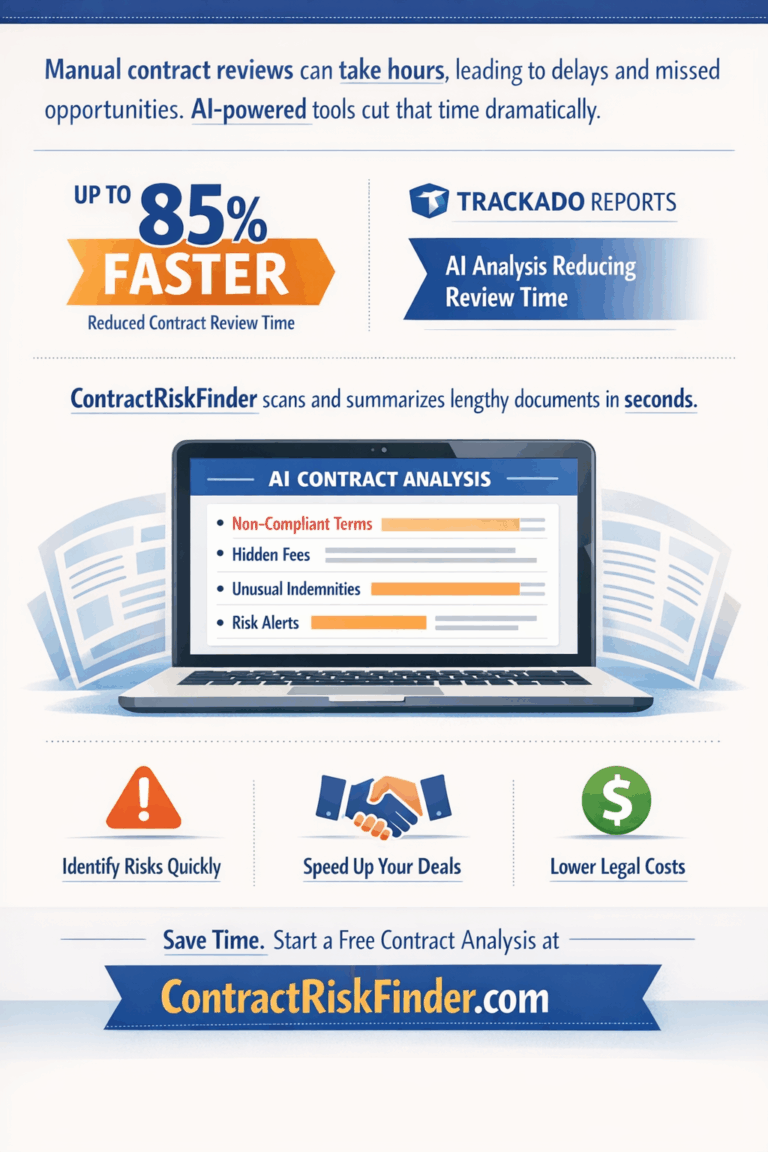
ContractRiskFinder helps users analyze contracts for renewal language and other potential concerns that deserve closer attention.
That makes the process more practical:
Upload → Identify → Review → Calendar → Decide
Rather than discovering the clause after the deadline has passed.
Renewal Can Also Affect Your Risk Profile
If a major vendor, client, lease, or operational agreement automatically continues, associated insurance or business exposures may continue too.
Island Insurance Group’s broader approach to risk emphasizes understanding a business’s operations, contracts and obligations when considering insurance protection.
Learn more about Island Insurance Group.
Before the Clock Starts Ticking
Do not wait until you want out of an agreement to learn how cancellation works.
Before signing:
- Find the renewal clause.
- Find the termination clause.
- Find the notice provision.
- Identify the deadline.
- Understand renewal pricing.
- Calendar the important dates.
Then make an informed decision.
Scan your agreement with ContractRiskFinder before the contract—and the clock—starts working against you.
DISCLAIMER
This article provides general educational information and is not legal advice. Automatic-renewal and cancellation requirements may be affected by specific contract language and applicable state or federal law. Consult qualified legal counsel regarding your agreement.